
Capturing the Essence of Music: The Role of Photography in the Music Industry
By Mateo Yamamoto · · 5 min read
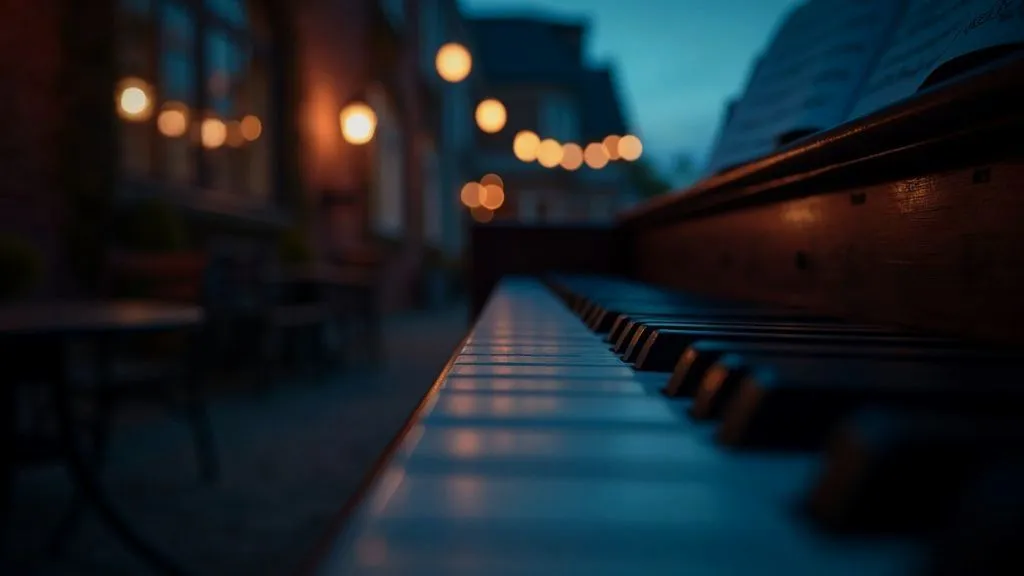
Photography and music share a deep, intrinsic bond, one that goes far beyond mere visuals accompanying sound. The interplay between these two art forms creates a powerful narrative that enhances the experience of both. Through striking images, the essence of an artist’s music can be brilliantly captured, allowing fans to connect on a deeper level. In this article, we will explore how photography shapes the music industry, the various types of music photography, and the impact of visual storytelling in promoting artists and their work.
The Power of Visual Storytelling
Photography in the music industry serves as more than just a promotional tool; it tells a story. Each image can evoke emotion, convey personality, and encapsulate an artist’s journey. A photograph taken during a live performance can immortalize the energy of a moment, bringing it back to life long after the concert has ended.
Consider the iconic images captured during legendary performances. These photographs have become synonymous with the music itself, helping to crystallize cultural moments and movements. They allow fans to relive experiences, creating a bond that goes beyond auditory engagement.
Types of Music Photography
There are several distinct categories of photography within the music industry, each serving specific purposes and audiences.
Concert Photography
Concert photography is arguably the most recognized form of music photography. It involves capturing live performances, focusing on the artist, the crowd, and the overall atmosphere. These images often portray the raw energy of a show, immortalizing the passion shared between the performer and the audience.
Photographers must have the ability to capture fleeting moments, often in low light conditions. Techniques such as using fast shutter speeds and adjusting ISO settings become crucial to ensure clarity and vibrancy. Concert photographers also develop a sense of timing, anticipating the right moment when an artist’s emotion peaks or when the crowd is most animated.
Portrait Photography
Portrait photography allows artists to express their individuality and style outside of the stage. This type often involves studio sessions or more controlled environments, giving artists the chance to showcase their personality through carefully crafted images.
A well-composed portrait can convey a sense of who the artist is, what they represent, and even hint at their musical style. The choice of background, clothing, and pose all contribute to the storytelling aspect of the photograph. Portraits can be used for album covers, promotional material, and social media, making them essential for branding.
Album Artwork
Album artwork is a crucial component of the music experience, often serving as a visual representation of the music contained within. The photographer collaborates closely with the artist to create a concept that aligns with the album’s themes and messages.
This form of photography can be highly conceptual, involving elaborate sets, props, and artistic direction. The imagery must resonate with both the sound and the message of the album, effectively drawing listeners in before they’ve even pressed play.
Behind-the-Scenes Photography
Behind-the-scenes photography captures the process of creating music, providing an intimate look at the lives of artists and their teams. These images can include studio sessions, rehearsals, and the day-to-day moments that shape a musician’s career.
Fans often crave this insider perspective, which humanizes the artists they admire and offers a glimpse into the hard work that goes into making music. Sharing these images on social media platforms can help build a stronger connection between artists and their fanbase.
The Impact of Social Media on Music Photography
In recent years, social media has transformed how music photography is consumed and shared. Platforms like Instagram and TikTok allow photographers and artists to showcase their work to a global audience instantly.
This democratization of photography means that emerging artists can gain visibility without relying solely on traditional marketing channels. Photographers play a crucial role in this ecosystem, capturing content that can go viral, thus amplifying the reach of both the artist and the image.
Moreover, social media has led to the rise of more casual and spontaneous photography. Fans often capture and share their experiences during concerts, creating a wealth of user-generated content that further promotes the artist. This trend emphasizes the importance of photography in building community and fostering connections in the music industry.
Challenges in Music Photography
Despite its many rewards, music photography comes with unique challenges. The competitive landscape means that photographers need to continually innovate their styles to stand out. Additionally, working in dynamic environments such as concerts requires a level of adaptability and skill.
Lighting conditions can change rapidly, and photographers must be prepared to adjust their techniques on the fly. Moreover, the emotional connection with the subjects can be complicated. Striking a balance between artistic expression and the artist’s vision is essential, which can sometimes lead to creative friction.
Legal and Ethical Considerations
Photographers in the music industry also face legal and ethical considerations. Licensing and copyright issues can arise, especially when images are shared online or used commercially. It’s crucial for photographers to understand their rights and establish clear agreements with artists to ensure that their work is properly credited and compensated.
Additionally, ethical practices come into play, particularly in terms of privacy. While fans often want a glimpse into the lives of their favorite artists, it’s essential for photographers to respect boundaries and not exploit personal moments for profit.
Conclusion
Photography plays an indispensable role in the music industry, serving as a bridge between artists and their audiences. Through concert images, portraits, album artwork, and behind-the-scenes content, photographers create narratives that enhance the musical experience. In an increasingly digital age, the significance of visual storytelling only continues to grow, shaping how artists are perceived and how fans connect with their music.
As we navigate this evolving landscape, it’s clear that the art of capturing music through photography is both a creative pursuit and a vital aspect of the industry’s ecosystem. For artists, the right photograph can elevate their music; for fans, it can forge an emotional bond that resonates long after the last note has faded.