
The Transformation of Music Consumption: From Vinyl to Streaming
By Mateo Yamamoto · · 6 min read
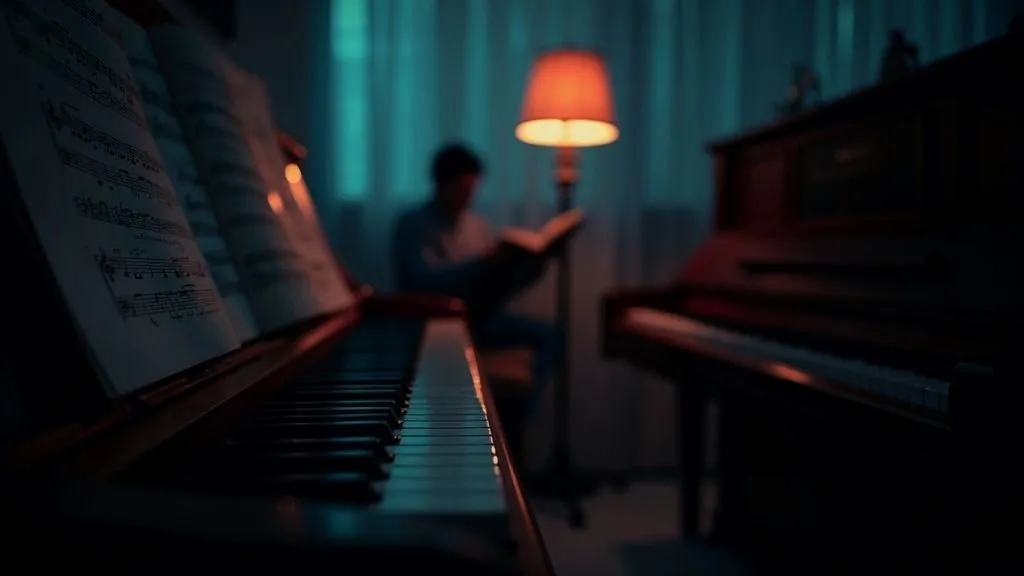
The Evolution of Music Consumption
The world of music consumption has undergone a dramatic transformation over the last century. From the crackling sounds of vinyl records to the seamless streaming of songs at our fingertips, this journey reflects not only technological advancements but also shifts in cultural dynamics and consumer behavior. As we explore this evolution, we will analyze the influence of format changes, the rise of digital platforms, and the implications for artists and listeners alike.
The Beginnings of Recorded Music
To appreciate the current state of music consumption, we must first understand its humble beginnings. The late 19th century marked the advent of recorded music with the invention of the phonograph by Thomas Edison in 1877. For the first time, music could be captured, reproduced, and enjoyed outside of live performances. Early formats, such as wax cylinders and later, shellac records, paved the way for the music industry.
Data from the Recording Industry Association of America (RIAA) indicates that by the 1920s, record sales had reached significant volumes. The 78 RPM vinyl records became a staple in households, allowing people to own a piece of music history. This era underscored the idea of music as a collectible, a concept that would continue to evolve.
The Golden Age of Vinyl
The post-World War II era introduced a golden age for vinyl records. The introduction of the 33 1/3 RPM LP in 1948 by Columbia Records revolutionized music consumption. For the first time, artists could release entire albums, allowing for a more comprehensive artistic expression. Notably, albums such as The Beatles’ “Sgt. Pepper’s Lonely Hearts Club Band” and Bob Dylan’s “Highway 61 Revisited” exemplified the significance of the album format, shifting the focus from individual songs to a cohesive collection.
This period also gave birth to the album artwork culture. Iconic cover designs contributed to the music’s identity, creating a visual aspect that resonated with fans. The tactile experience of physically holding a record, perusing the liner notes, and even the act of flipping the record added layers to music appreciation that many cherish to this day.
The Compact Disc Revolution
As the 1980s approached, technology again disrupted the music landscape with the introduction of the compact disc (CD). This digital format offered superior sound quality and durability compared to vinyl. In the early 1990s, CD sales skyrocketed, accounting for over 50% of total music sales in the United States. The RIAA reported that in 1991 alone, more than 400 million CDs were sold.
Despite the advantages, the compact disc was not without its drawbacks. The cost of purchasing CDs was relatively high, and the physical storage of the discs became a concern for consumers. Nevertheless, the CD era solidified the concept of music ownership, leading to the creation of massive personal collections.
The Dawn of Digital Music
The real game-changer in music consumption came with the rise of digital music in the late 1990s and early 2000s. The introduction of the MP3 format allowed users to compress audio files without significant loss of quality. This small file size enabled easy sharing and distribution, priming the stage for the digital revolution.
Platforms like Napster and LimeWire offered a glimpse of what was to come, as they facilitated peer-to-peer sharing of music. While these platforms ignited discussions about copyright infringement, they also highlighted the demand for accessible music. In 2001, Apple launched iTunes, which changed the way consumers purchased music. Offering a legal avenue for buying individual tracks, iTunes allowed people to create personalized playlists without the need to invest in entire albums.
According to a report from the International Federation of the Phonographic Industry (IFPI), global digital music revenues reached $4.6 billion in 2012, demonstrating the shift in consumer behavior towards digital formats.
The Streaming Revolution
The landscape of music consumption underwent another radical shift with the advent of streaming services. Platforms like Spotify, Apple Music, and Tidal have redefined how audiences interact with music. Now, access to millions of songs is available for a flat monthly fee or even for free with ads, making music more accessible than ever.
Spotify alone reported over 500 million monthly active users as of 2023, with more than 220 million of those being paid subscribers. This monumental growth emphasizes the shift from ownership to access. Listeners no longer need to purchase individual songs or albums; instead, they can enjoy an expansive library that evolves with their tastes.
Impact on Artists
The rise of streaming has had profound implications for artists. While platforms offer unparalleled exposure and accessibility, they also raise questions about compensation. According to a report from the Music Industry Revenue, the average payout per stream is estimated to be around $0.003 to $0.005. This figure has sparked debates over fair wages for musicians, especially independent artists who may struggle to make a sustainable income from streaming alone.
Additionally, the streaming model promotes the “single” over the “album.” Artists may feel pressured to release more songs to stay relevant, sometimes at the expense of crafting full albums that tell a story. The sheer volume of content available can drown out lesser-known artists, making it harder for them to gain traction amidst big-name performers.
The Role of Playlists in Modern Music
Playlists have become a cornerstone of music consumption in the streaming era. Curated playlists—often algorithm-driven—determine what listeners hear. This trend has shifted the focus from traditional radio playlists to personalized experiences that cater to individual tastes.
Spotify and Apple Music have brought the concept of the playlist to the forefront. For example, Spotify’s “Discover Weekly” algorithm analyzes user listening habits to create a personalized playlist every week. This feature has increased user engagement, as listeners are excited to discover new music curated just for them. However, this also raises concerns regarding how music is discovered and the potential homogenization of sound as algorithms favor certain types of music.
The Social Element of Music Consumption
In addition to convenience and accessibility, streaming services have incorporated social elements that enhance the music-consuming experience. Listeners can share playlists, collaborate with friends, and follow their favorite artists on these platforms. Social media has also played a pivotal role in the promotion of music, as artists leverage platforms like TikTok and Instagram to reach wider audiences.
TikTok, in particular, has become a viral sensation for music marketing. Songs that gain popularity on the platform often chart on Billboard due to user-generated content, dancing challenges, or meme culture. In 2021, over 175 songs that gained traction on TikTok entered the Top 100 Billboard chart. This illustrates the power of social media as a driving force in the modern music industry, transforming the way songs are marketed and consumed.
The Future of Music Consumption
The future of music consumption appears dynamic, with ongoing developments in technology shaping listener experiences. The rise of virtual reality (VR) and augmented reality (AR) in music is gaining traction, offering immersive experiences for fans. Artists can host virtual concerts, allowing fans to engage with their favorite performers in unique ways, transcending geographical limitations.
Additionally, artificial intelligence (AI) continues to make waves in music creation and curation. Platforms such as OpenAI’s MuseNet and Jukedeck enable users to create original compositions through AI, pushing the boundaries of human creativity. As these technologies develop, the relationship between artists and their audiences may evolve even further.
Conclusion
The evolution of music consumption from vinyl to streaming reflects a journey shaped by technological innovation and changing cultural landscapes. It illustrates how our relationship with music has shifted from ownership to access, creating new opportunities and challenges for artists and consumers alike.
As we stand on the threshold of further advancements, the importance of understanding this transformation cannot be overstated. The future promises to be as exciting as the past, with new formats, platforms, and creative expressions on the horizon. Music will continue to resonate within our lives, adapting to our needs while maintaining its intrinsic power as an art form.
As you immerse yourself in the myriad sounds available today, consider not just what you listen to, but how you engage with music on this ever-evolving journey.