
Unlocking the Power of Rhythm in Music Composition
By Mateo Yamamoto · · 7 min read
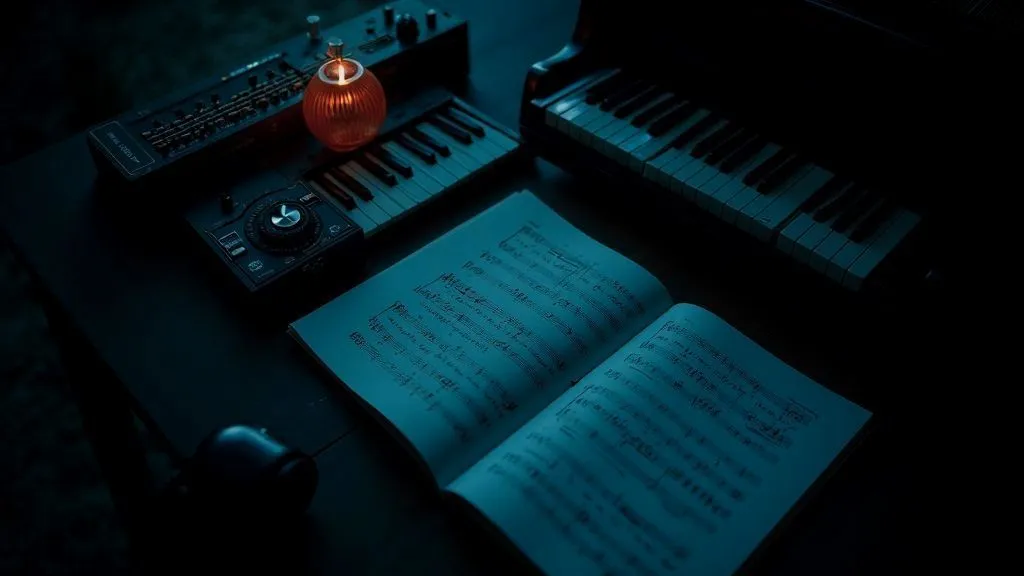
The role of rhythm in music composition is often understated, yet its impact is profound. Rhythm is the skeletal framework of a piece, shaping how melodies unfold and how harmonies interact. This article delves into the nuances of rhythm in music composition, offering a detailed guide to harnessing its power. Whether you’re a seasoned composer or a beginner looking to refine your skills, understanding rhythm can significantly elevate your creative capabilities.
Understanding Rhythm
To appreciate the role of rhythm in music composition, one must first grasp what rhythm actually is. Rhythm refers to the timing of musical sounds, including their duration and spacing. It can be broken down into several components: beat, tempo, meter, and duration.
Key Components of Rhythm
- Beat: The basic unit of time in music, akin to the pulse. It’s what you tap your foot to.
- Tempo: The speed of the beat, measured in beats per minute (BPM). For example, a slow ballad might have a tempo of 60 BPM, while a fast dance track could exceed 120 BPM.
- Meter: The grouping of beats, typically categorized into duple (2 beats per measure), triple (3 beats), or quadruple (4 beats). Common time, or 4/4 meter, is the most prevalent in Western music.
- Duration: How long a note is held. This can vary dramatically, from quick staccato notes to sustained legato passages.
Experts from various genres emphasize that rhythm provides a sense of movement and progression in music. Renowned composer John Adams states, “Rhythm is the essential element that keeps you engaged. It draws you in and keeps you moving.”
The Importance of Rhythm in Composition
Rhythm serves multiple purposes in music composition. It can evoke emotion, create tension, or establish an atmosphere. Understanding how to manipulate rhythm gives a composer the tools to express their artistic vision more clearly.
Emotional Resonance
Different rhythmic patterns can elicit varying emotional responses. For instance:
- Syncopation: This technique involves shifting the expected rhythmic pattern to create surprise and excitement. It’s often used in jazz and funk music to make the listener feel more engaged.
- Straight vs. Swing: A straight rhythm feels stable and predictable, while a swing rhythm adds a lighter, more playful feel.
Structural Role
Rhythm acts as a guiding force in musical structure. It helps to delineate sections within a composition. For example, a clear rhythmic break can signal a transition from a verse to a chorus, creating an identifiable shift that listeners can latch onto.
Moreover, rhythmic motifs can be used to develop themes throughout a piece. Utilizing variations of a rhythmic motif can provide cohesion while allowing creativity to flourish.
Techniques for Crafting Effective Rhythm
To harness the power of rhythm in music composition, several techniques can be explored. These techniques vary in complexity and can be tailored to fit different styles of music.
1. Start with a Basic Beat
A solid foundation begins with establishing a basic beat. Use a metronome to determine the desired tempo. Begin with simple quarter notes and eighth notes. As you get comfortable, introduce variations in note duration.
Example Exercise:
- Set your metronome to 80 BPM.
- Play a simple four-measure loop using quarter notes.
- Gradually introduce eighth notes in the second measure and sixteenth notes in the fourth measure.
2. Explore Different Meters
Experimenting with various meters can provide fresh perspectives. While 4/4 is ubiquitous in popular music, delving into odd time signatures like 5/4 or 7/8 can create unique rhythmic landscapes.
Example Exercise:
- Choose a time signature (e.g., 7/8).
- Compose a short melody that fits within this framework, focusing on maintaining a consistent pulse.
3. Utilize Syncopation
Syncopation disrupts the regular flow of rhythm, creating excitement. To practice syncopated rhythms, switch up the emphasis on offbeats or unexpected note placements.
Example Exercise:
- Take a simple four-bar melody and add syncopation by accentuating the second and fourth beats instead of the first and third.
- Notice how this alters the feel of the piece.
4. Vary Your Rhythmic Patterns
Rhythmic variation is key to sustaining listener interest. By mixing up your rhythmic patterns, you can avoid monotony and enhance the musicality of your piece.
Example Exercise:
- Write a 16-bar phrase, alternating between different rhythmic patterns. For instance, use a driving sixteenth-note pattern in the first half and switch to longer, sustained notes in the second half.
5. Incorporate Rhythmic Motifs
Creating recognizable rhythmic motifs can help unify a composition. A motif is a short, recurring rhythmic or melodic idea that serves as a building block.
Example Exercise:
- Develop a rhythmic motif of four beats, then alter it slightly throughout the piece to maintain listener engagement while providing familiarity.
Analyzing Notable Compositions
To understand rhythmic techniques in context, it is useful to analyze notable compositions. Here are a few exemplary works across genres that effectively utilize rhythm.
1. “Take Five” by Dave Brubeck
This jazz classic is renowned for its unique time signature of 5/4. The rhythmic complexity and syncopated piano lines create an engaging interplay that captivates listeners, showcasing how breaking away from conventional meters can lead to innovative compositions.
2. “Billie Jean” by Michael Jackson
Michael Jackson’s “Billie Jean” employs a steady 4/4 beat, but it is the bass line that introduces syncopation and a sense of groove. The emphasis on offbeats creates a compelling rhythmic tension that drives the song forward.
3. “The Rite of Spring” by Igor Stravinsky
Stravinsky’s groundbreaking work is a masterclass in rhythm. The piece is filled with complex, shifting meters and rhythmic motifs that create a sense of primal energy. The use of rhythmic disruption was revolutionary for its time, changing the landscape of classical music.
4. “Shape of You” by Ed Sheeran
In this contemporary pop hit, the rhythmic hook of the marimba loop plays a crucial role. The interplay between the melody and the rhythmic accompaniment creates a catchy and danceable quality that resonates with listeners.
Expert Perspectives on Rhythm
To gain deeper insights into the role of rhythm in composition, I consulted several music experts. Here’s what they had to share:
Dr. Emma Carter, Musicologist
“Rhythm is the heartbeat of music. It dictates how we perceive time and movement in sound. When students approach composition, I encourage them to first explore rhythmic structures before diving into melody or harmony. Rhythm grounds the music, making it relatable.”
Jacek Nowak, Electronic Music Producer
“Electronic music has redefined how we approach rhythm. The ability to manipulate time and add layers makes rhythm an infinite playground. I often layer multiple rhythmic elements to build depth, creating a more immersive experience for the listener.”
Clara Lee, Classical Pianist
“Even in classical music, where the focus is often on melody and harmony, rhythm plays an essential role. The dynamic use of tempo rubato can add expressiveness to a performance. A performer’s interpretation of rhythm can convey a wide range of emotions.”
Case Study: Building a Composition
To illustrate the principles discussed, let’s follow a step-by-step approach to developing a short composition that effectively employs rhythm.
Step 1: Define Your Concept
Begin by determining the emotional intent of your piece. Are you aiming for a joyful dance track or a somber ballad? This will guide your rhythmic choices.
Step 2: Establish a Foundation
Choose a time signature and set a metronome. For this exercise, let’s work in 4/4 at 100 BPM. Create a simple kick drum pattern that provides a steady pulse.
Step 3: Develop the Baseline
Compose a bass line that supports your kick drum. Use syncopation to create a sense of groove. For instance, accent the offbeats to make it danceable.
Step 4: Layer Additional Elements
Introduce a chord progression that complements your bass line. Use eighth notes in the piano to maintain a flowing rhythm while allowing the bass to provide a solid foundation.
Step 5: Add Melodic Content
Craft a melody that interacts with your rhythmic foundation. Play with the rhythm of your melody, introducing variations to keep it interesting. Consider using a call-and-response structure.
Step 6: Arrange the Composition
Begin arranging your piece by defining the structure. Use contrasting rhythmic sections to create dynamics. For example, build tension with rapid rhythms in the bridge before returning to a steady pulse in the chorus.
Step 7: Refine and Edit
Once the basic structure is complete, listen critically. Are the rhythmic elements cohesive? Make adjustments to ensure that your composition flows naturally while maintaining listener engagement.
Conclusion: Embracing Rhythm as a Compositional Tool
The exploration of rhythm in music composition is not merely an academic exercise; it’s a vital aspect of the creative process. By understanding its components and experimenting with various techniques, composers can unlock new dimensions in their music.
As you venture into your next composition, keep rhythm at the forefront of your mind. Whether you choose to innovate with time signatures, incorporate syncopation, or develop rhythmic motifs, the possibilities are limitless. Embrace rhythm as a powerful tool, and watch your musical expressions flourish.
Remember, rhythm is not merely a backdrop; it is the essence of movement and emotion, breathing life into your creations. Your journey as a composer will be enriched by recognizing the pivotal role rhythm plays in the art of music.